Securely and Safely Unlocking the Autonomous Continuous Manufacturing
By Chor-Ching Fan
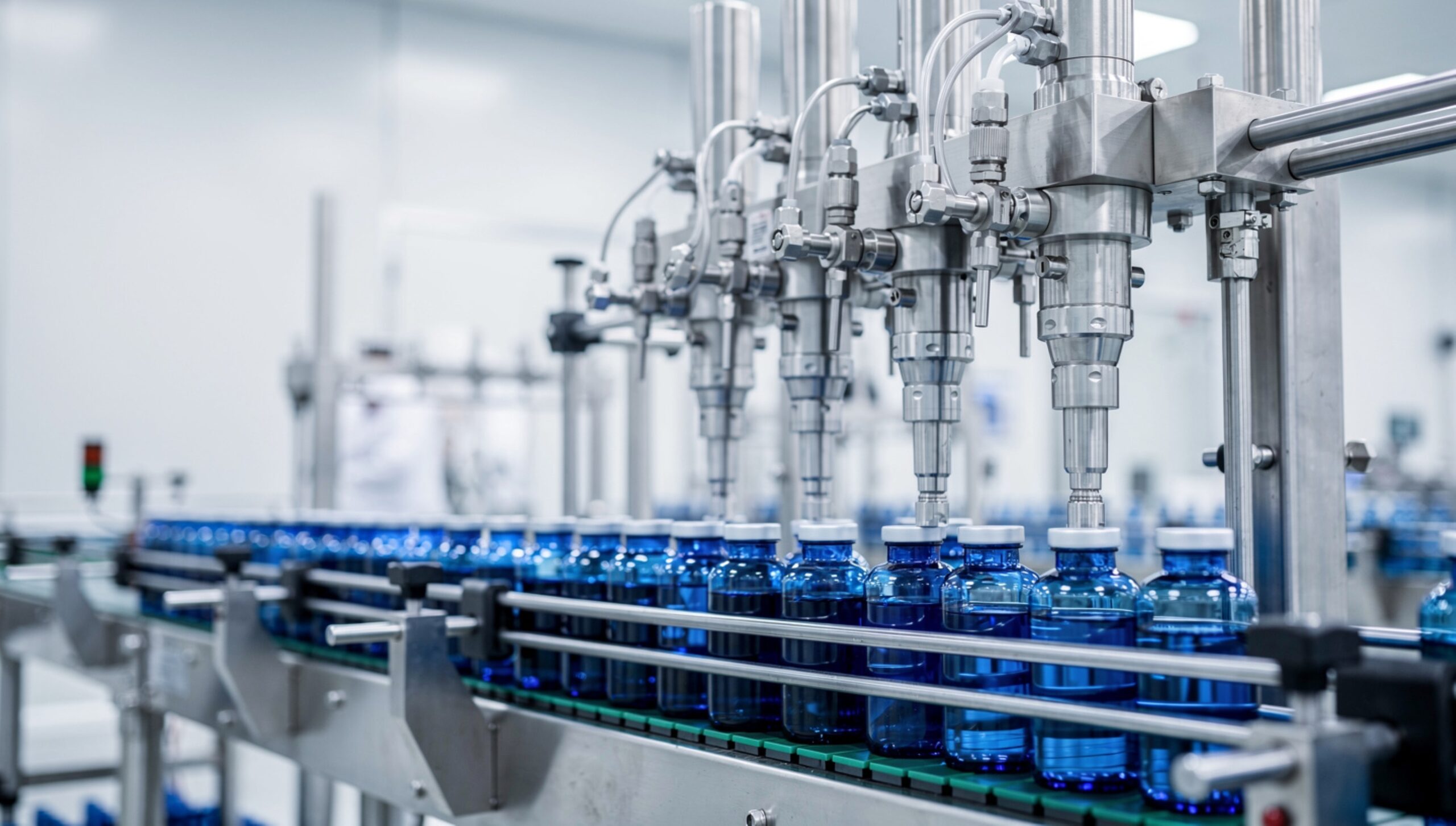
AI and robotics unlocks tremendous potential for manufacturing personalized medicine (e.g., customized poly-pills), biologics and cell therapies (mRNA, immune cells), and potent small molecules (tablets and injectables). These drugs thrive on sterile precision, exact dosing, and scale-up flexibility that automation enables. Continuous manufacturing applications are growing, and organizations like the FDA continue to accept digital and automated approaches including:
Contamination Control: in aseptic processing, cleanroom-rated robots and collaborative arms (cobots) safely manipulate fragile glass vials without risk of human error or breathing-induced contamination.
Consistent Quality: robotics execute highly repetitive tasks with high precision and provide exact track-and-trace documentation required by regulatory agencies.
Process Understanding & Optimization: the integration of digital systems and AI allows teams to continuously monitor factors like particle size and tablet hardness to predict and prevent batch failures.
Personalized manufacturing depends on tightly coordinated robotics, automated material handling, single-use systems, machine vision, dispensing equipment, and other intelligent machines executing precise actions continuously with minimal human intervention. Robotics security and governance software is the critical foundation for securely and safely implementing the above approaches to achieve continuous manufacturing of personalized medicine. Rizkly provides the trust, control, and operational assurance required for autonomous machines to safely produce patient-specific therapies at scale.
Robotics security and governance software can continuously monitor these machines, validate their identities and authorized behaviors, detect deviations from expected action sequences, enforce operating policies, and maintain traceable records of machine decisions and activities. By identifying cyber threats, unauthorized commands, configuration changes, abnormal robotic behavior, and process deviations before they compromise production, manufacturers can protect product quality, patient safety, and manufacturing continuity. Just as importantly, machine-level governance creates the evidence needed to demonstrate that autonomous manufacturing operations remain controlled, repeatable, and compliant as production shifts rapidly from one personalized therapy or patient batch to another. In this way, Rizkly robotics security and governance becomes more than a cybersecurity capability—it becomes an enabling control layer for trusted, scalable, continuous personalized medicine manufacturing.